
The redox pair that shuttles electrons in energy metabolism - research fact, not a Form Labs product claim.
Belenky et al., Trends Biochem Sci, 2007NAD+/NADH coenzyme reference material
NAD+
NAD+ is a coenzyme reference material supplied for laboratory research only.
NAD+ is not a peptide. It is a coenzyme - a small helper molecule that every living cell needs to run its chemistry. The easiest way to picture it is as a courier, carrying electrons from one place to another inside the cell. Supplied freeze-dried, for in-vitro laboratory research only.
Current lot pricing
$79.00 AUD
Base vial price: $79.00 AUD
Vial size1000 mg
Ships from Perth, Australia Post or CouriersPleaseFree standard shipping over $250Plain, discreet packagingStore at 2-8 C
Supplied strictly as reference material for in-vitro laboratory research. Not a medicine, supplement, or food. Not for human or veterinary use.
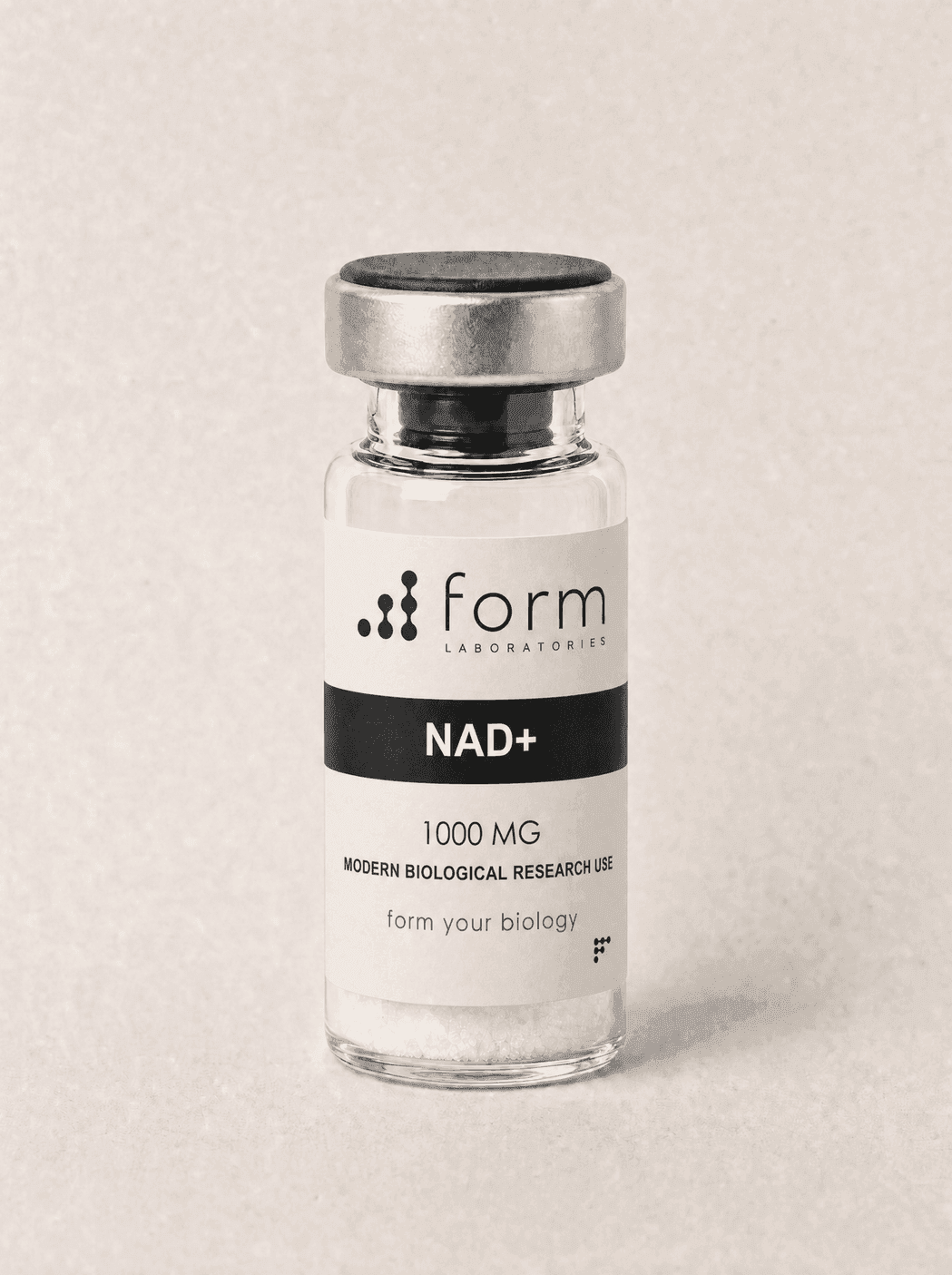 Research use only
Why this molecule is studied
Why researchers study NAD+ biology.
Every cell in your body is constantly pulling food apart to get energy out of it. That releases electrons, and those electrons have to be carried somewhere useful. NAD+ is what carries them.
When NAD+ picks up a load it becomes NADH. When it drops that load off, it is NAD+ again. Same molecule, two states, going round and round - which is why papers always write it as the 'NAD+/NADH pair'. Researchers watch the ratio between the two, because it tells them how hard a cell is working right now.
Then there is a second storyline. A group of enzymes - sirtuins, PARPs and CD38 - do not borrow NAD+, they spend it. PARPs get called in when DNA is damaged. Sirtuins are studied around how genes get switched on and off. Because these enzymes use up the very thing the energy system relies on, a live research question is what gives when they are busy. That is how NAD+ ended up in ageing research.
One thing worth knowing if you go reading around: most of the human studies in this field did not use NAD+ at all. They used NMN and NR, two molecules the body converts into NAD+. Findings about those do not automatically carry across.
This page describes that research and the batch you are getting. It is supplied for in-vitro laboratory research only - not a medicine, not a supplement, and not for people or animals to take.
The research
What the published studies found.
Enzyme families that consume NAD+ in the research literature - research fact, not a Form Labs product claim.
Belenky et al., Trends Biochem Sci, 2007NAD+ is described as a coenzyme present in every living cell - research fact, not a Form Labs product claim.
Covarrubias et al., Nat Rev Mol Cell Biol, 2021Figures outside lot paperwork describe third-party research records for the molecule. They are not Form Labs product results or use claims.
Read the full research guideIdentity, papers, and research-use boundariesMechanism notes
Plain-language research labels.
NAD+ has two jobs in the research: courier, and currency. Here is what each one means - the science the papers discuss, not a description of what this material does.
The electron shuttle
NAD+ picks up the electrons freed when a cell breaks down food, carries them across the cell, and drops them where energy actually gets made. Nothing exotic about it - it is a delivery job. But without something doing that job the whole process stalls, which is why NAD+ turns up in almost every paper on how cells make energy.
Why it is written NAD+/NADH
Two states of one molecule. NAD+ is empty-handed; NADH is carrying. Researchers track the ratio between them because it is a live readout of how hard a cell's energy machinery is working.
The enzymes that spend it
Sirtuins, PARPs and CD38 do not borrow NAD+ - they spend it. PARPs show up when DNA needs repairing; sirtuins are studied around switching genes on and off. Since they are spending the same NAD+ the energy system depends on, researchers want to know which job has to give when they get busy - the energy machinery, the repair work, or something else.
Order anchor
Form Laboratories
NAD+ with live bundle pricing.
- NAD+ named as nicotinamide adenine dinucleotide, a coenzyme reference material
- COA for the batch saved in the customer's account
- Ships from Perth via Australia Post or CouriersPlease, Australia-only, with flat-rate shipping, free standard shipping over $250, tracking emailed, and plain packaging
- Store at 2-8 °C, dry and protected from light
Base tier
$79.00 AUD
Single vial / 1000 mg / $79.00 AUD per vial
Ships after order review. Reference material for research use only.
Testing documentation
Lot-level records
Australia-wide dispatch
Plain, tracked delivery
Plain fulfilment
Discreet outer packaging
Research use only
No human-use claims
COA proof
Batch paperwork before checkout.
NAD-2506
Compound, lot and appearance are taken from the product record.
Lot NAD-2506Heavy metals screened by an independent lab: arsenic, cadmium and mercury not detectedCOA saved in the customer's account
Certificate of AnalysisNAD-2506
CompoundNAD+
LotNAD-2506
Net peptide1000 mg
AppearanceFreeze-dried reference material
ReleasedCurrent product record
Download COA summary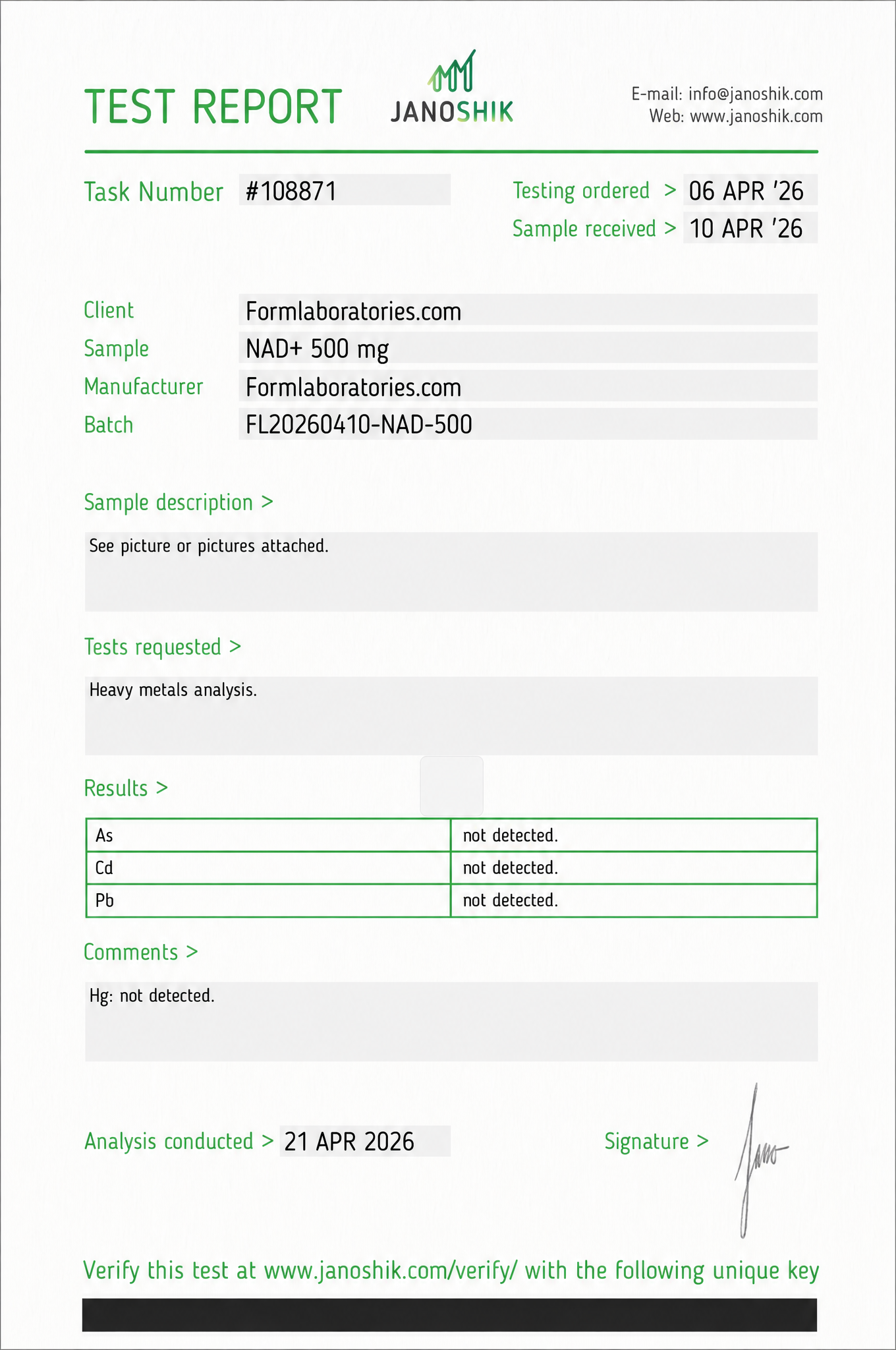
Build your stack
Study alongside other catalogue references.
These products are shown as catalogue pairings only. Add any line to the same cart for order review.
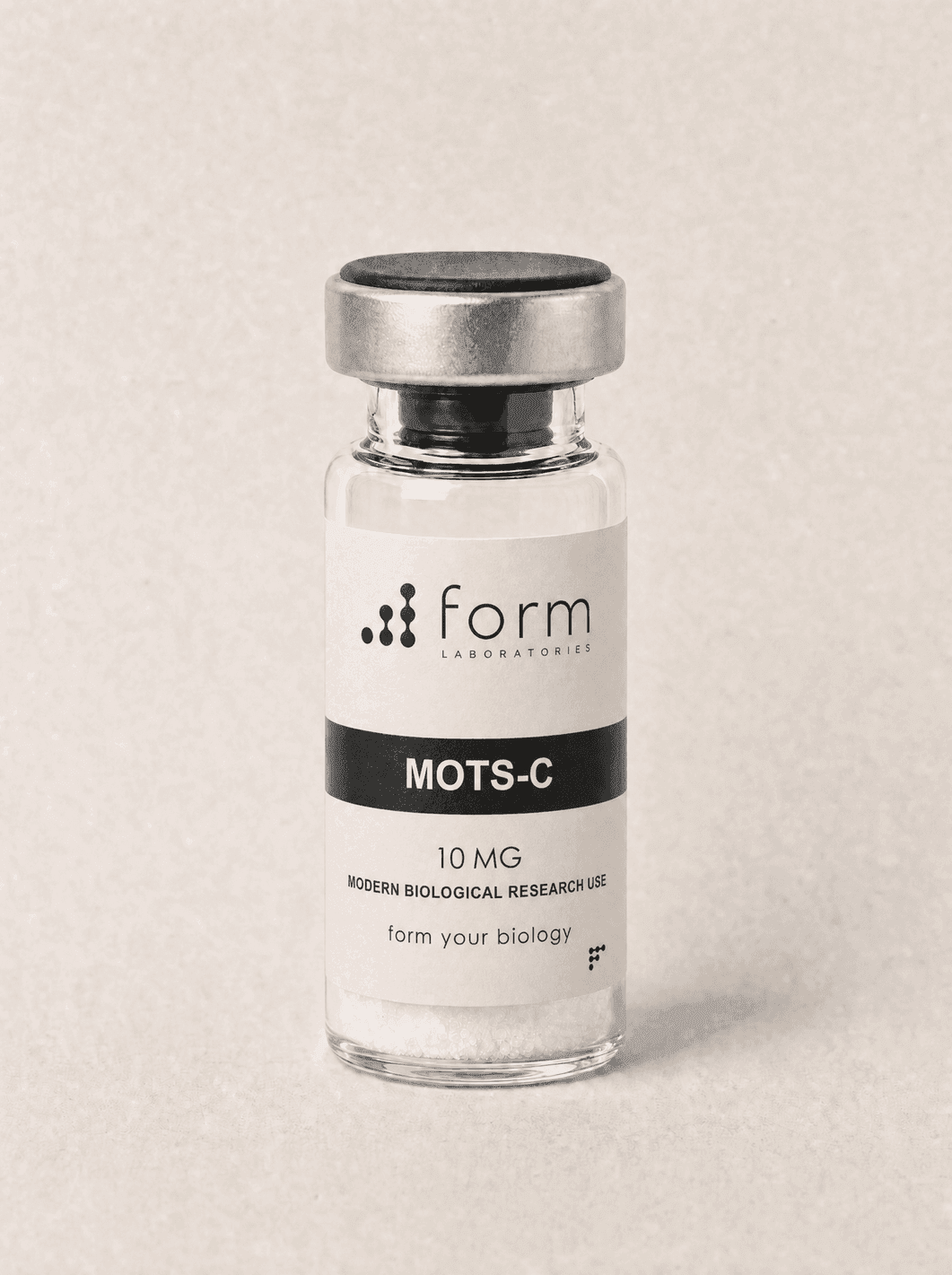
Mitochondrial-derived peptide
MOTS-C
$99 AUD
Researchers can study this catalogue reference alongside NAD+ in the same order record.
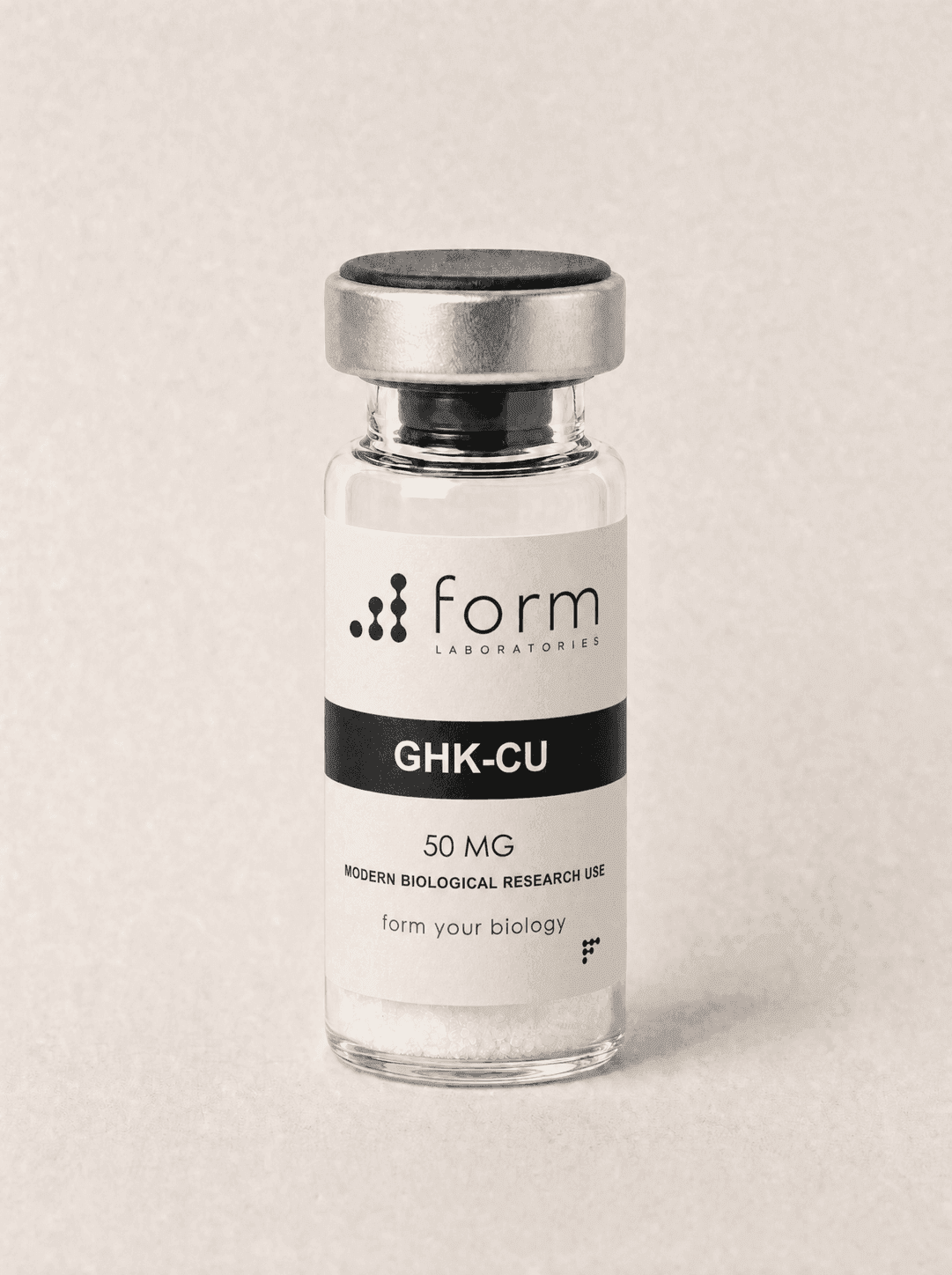
Naturally occurring copper peptide
GHK-Cu
$79 AUD
Researchers can study this catalogue reference alongside NAD+ in the same order record.
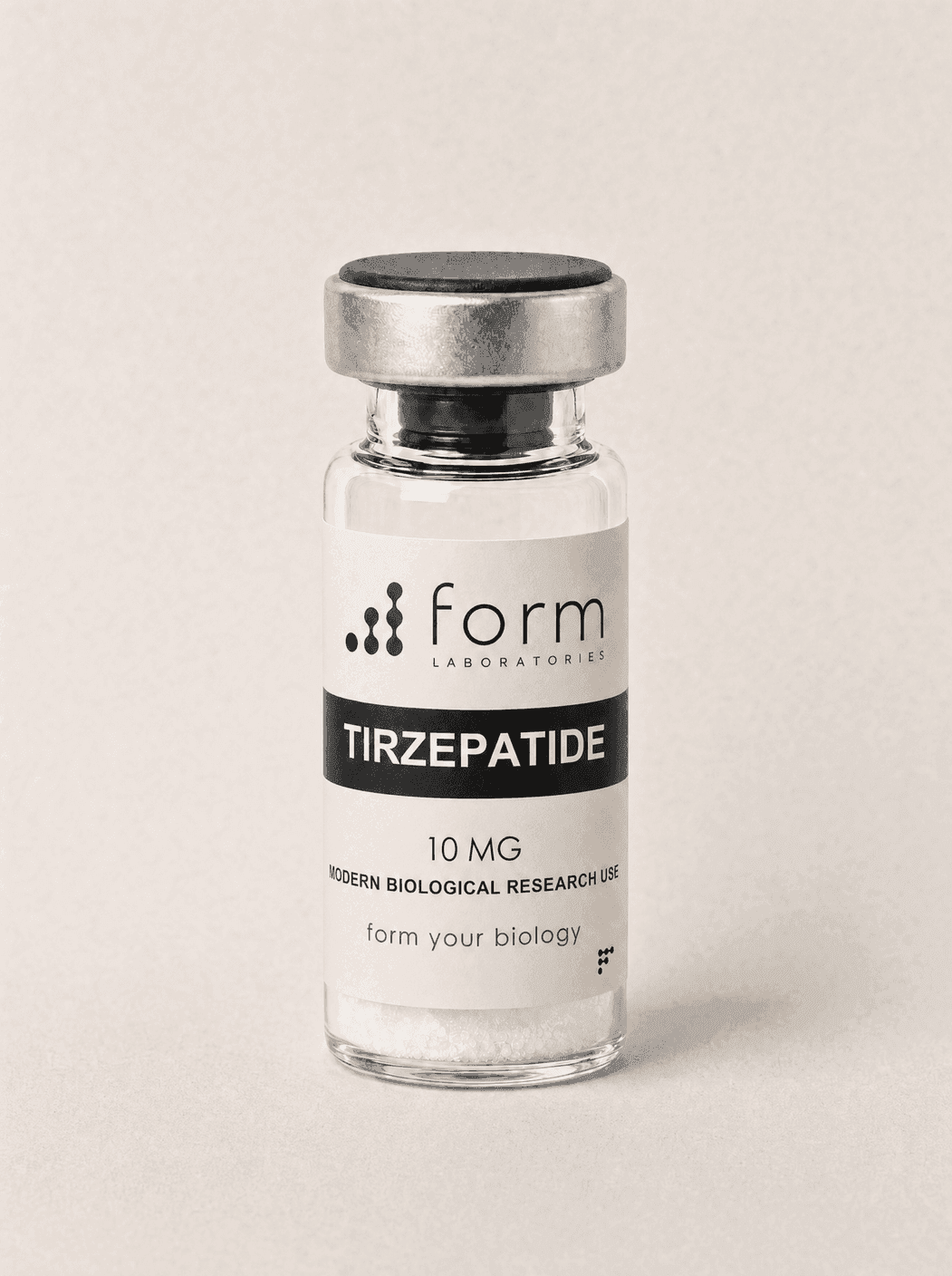
Dual-receptor research reference
Tirzepatide
$99 AUD
Researchers can study this catalogue reference alongside NAD+ in the same order record.
FAQ
Questions, answered plainly.
NAD+ is supplied as laboratory research material only. It is 21+ only, not for human consumption, and not for veterinary use.
The product page lists the lot, appearance, and storage notes for NAD+, and shows the lab report on file where there is one. Those reports are heavy-metals screens: they do not measure purity and do not confirm identity.
Follow the label and matching COA paperwork. This page repeats 2-8 C storage guidance and light-protection notes before checkout.
NAD+ (nicotinamide adenine dinucleotide) is a coenzyme found in every living cell. In the research literature it drives redox reactions - the NAD+/NADH pair that shuttles electrons in energy metabolism - and acts as a substrate for enzymes such as sirtuins, PARPs and CD38. It is a molecule studied in cell biology, not a medicine or supplement.
NAD+ is the coenzyme itself. NMN (nicotinamide mononucleotide) and NR (nicotinamide riboside) are precursors - molecules the body can convert into NAD+. Much of the human research on 'raising NAD+' has used those precursors rather than NAD+ directly, so findings about NMN or NR do not automatically transfer to NAD+ itself.
Neither, in the form supplied here. Form Laboratories supplies NAD+ strictly as a reference material for laboratory research. It is not a registered medicine, not a supplement, not a food, and not intended for human or animal use.
No. NAD+ from Form Laboratories is supplied strictly for in-vitro laboratory research. It is not a medicine, supplement, food, or product for people or animals to consume.
In research, NAD+ is studied in relation to mitochondrial function, DNA-repair enzymes and metabolism, and NAD+ biology is a topic within aging research. That describes a field of study, not an effect this product produces in a person.
NAD+ can be supplied in Australia as a research-use-only reference material. It is not approved for human use, and nothing on this page should be read as a suggestion to use it that way.
Payment is by bank transfer: place the order, we email the invoice with bank details, we ship once payment clears. Ships from Perth via Australia Post or CouriersPlease, Australia-only, a flat rate with free standard shipping over $250, and tracking is emailed. Store at 2-8 °C, dry and protected from light. The COA for your batch is in your account.
Form your biology
NAD+, with the batch details visible.
Before the lab logs the material, check the COA in the customer's account against the vial label and storage note.
Added to cart