
MOTS-C is a chain of 16 amino acids (sequence MRWQEMGYIFYPRKLR). An identity fact, not a product claim.
Lee et al., Cell Metabolism, 2015Mitochondrial-derived peptide
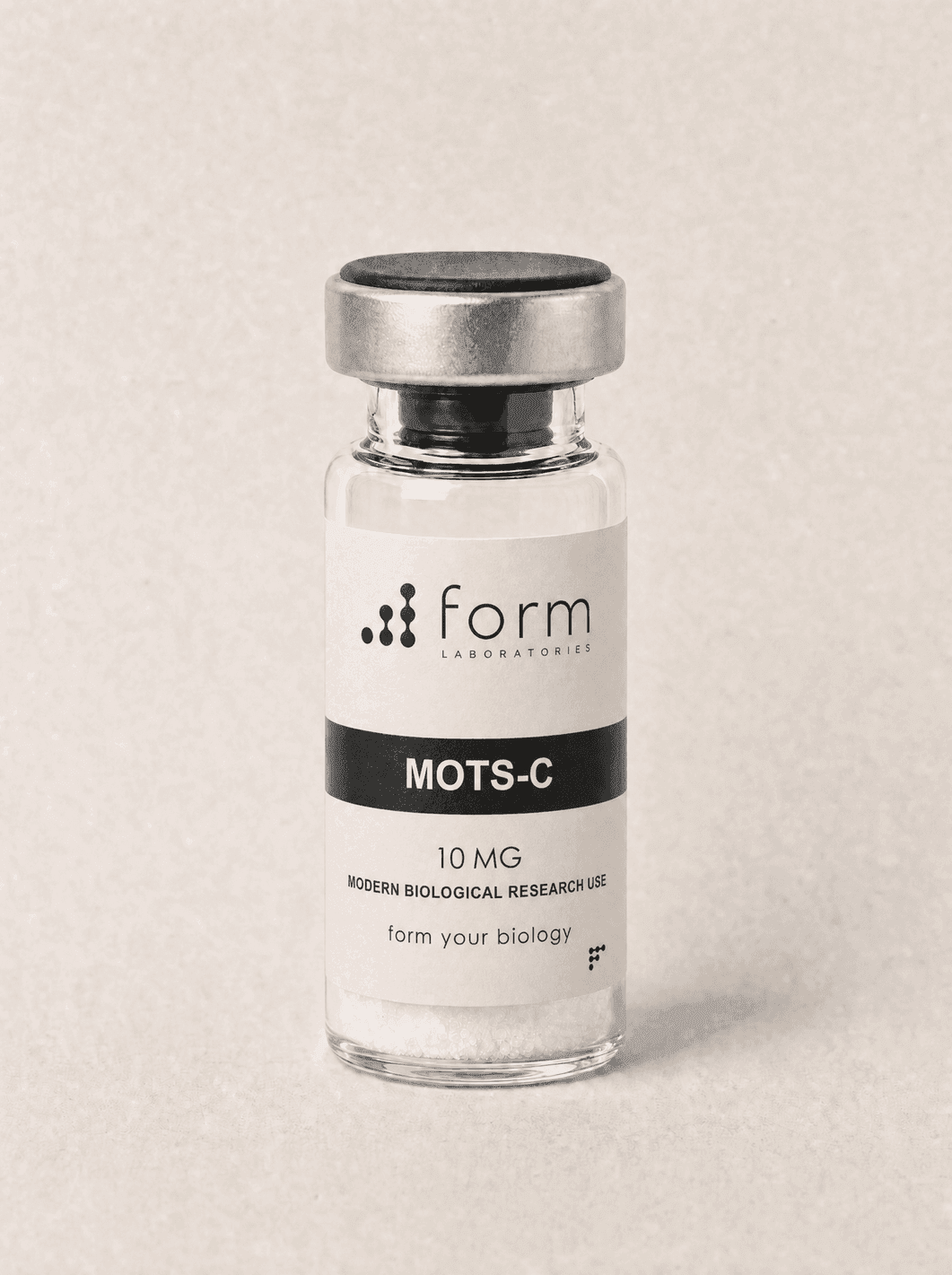
MOTS-C
A tiny peptide cells make inside their mitochondria - studied in the lab for its role in metabolism and energy. Supplied for laboratory research only.
Mitochondria - the parts of your cells that make energy - carry their own small loop of DNA, separate from the DNA in the cell nucleus. MOTS-C is a peptide written into that mitochondrial loop. Finding it in 2015 opened a field nobody knew was there. Supplied freeze-dried, for laboratory research only.
Current lot pricing
$99.00 AUD
Base vial price: $99.00 AUD
Vial size10 mg
Ships from Perth, Australia Post or CouriersPleaseFree standard shipping over $250Plain, discreet packagingStore at 2-8 C
Supplied strictly as reference material for in-vitro laboratory research. Not a medicine, supplement, or food. Not for human or veterinary use.
 Research use only
Why this molecule is studied
Why researchers are studying it.
Start with the honest bit. Almost all MOTS-C research is cell cultures and rodents. The human work is observational - measuring the MOTS-C people already produce - rather than testing what happens when it is given to someone. The whole field of mitochondrial-derived peptides is barely ten years old.
Here is why it caught attention. Nearly everything your body builds is specified by DNA in the nucleus of the cell. Mitochondria are the exception: they keep their own separate loop of DNA, widely thought to be a leftover from a point where they were free-living organisms that got absorbed. MOTS-C is encoded in that loop, in a stretch called MT-RNR1 - a region nobody expected to be producing peptides at all.
What the studies looked at next was AMPK. AMPK is a cell's fuel gauge: when energy runs low it switches on and shifts the cell from storing fuel to spending it. MOTS-C is the peptide most associated with that pathway across the literature, mostly in mice and in cell cultures under metabolic stress.
This page is about that research and the batch you are getting. It is not a claim about what this vial will do for anyone, and it is not for people or animals to take.
The research
What the published studies found.
The year MOTS-C was first described, as one of a small family of peptides encoded inside mitochondrial DNA. Research context, not a product claim.
Lee et al., Cell Metabolism, 2015The cell's main energy-sensing pathway (AMP-activated protein kinase) - the pathway MOTS-C is most associated with across the research. Research context, not a product claim.
Lee et al., Cell Metabolism, 2015Figures outside lot paperwork describe third-party research records for the molecule. They are not Form Labs product results or use claims.
Read the full research guideIdentity, papers, and research-use boundariesMechanism notes
Plain-language research labels.
Where it is written, what pathway it is tied to, and the odd thing it does when a cell runs short. Research language in plain terms - not a description of what this vial does.
Encoded inside mitochondria
Nearly everything your body builds is specified by DNA in the cell nucleus. Mitochondria are the exception - they keep their own small loop of DNA, widely thought to be a leftover from when they were free-living organisms. MOTS-C is encoded in that loop, in a stretch called MT-RNR1. That is what 'mitochondrial-derived peptide' means, and why the 2015 finding was a surprise.
The AMPK energy pathway
AMPK is the switch a cell uses to notice it is running low on fuel. Flip it, and the cell shifts from storing energy to spending it. MOTS-C is the peptide most tied to that pathway in the literature - Lee and colleagues described the work in cells and mice in 2015.
Moves to the nucleus under stress
The strangest thing in the file. Kim and colleagues reported that when glucose runs short, MOTS-C leaves the mitochondria and travels into the cell nucleus, where it can influence stress-response genes. A peptide made in one compartment going to give instructions in another is genuinely unusual. That was in human cell cultures.
Order anchor
Form Laboratories
MOTS-C with live bundle pricing.
- Independently tested for purity and identity, with the result printed on the lab report
- A batch number on every vial that matches its lab report, so you can always check the two line up
- Ships from Perth via Australia Post or CouriersPlease in plain, unbranded packaging, with tracking emailed
- 30-day purity guarantee: if an independent re-test comes back below the purity on the report, we refund the order in full
Base tier
$99.00 AUD
Single vial / 10 mg / $99.00 AUD per vial
Ships after order review. Reference material for research use only.
Testing documentation
Lot-level records
Australia-wide dispatch
Plain, tracked delivery
Plain fulfilment
Discreet outer packaging
Research use only
No human-use claims
COA proof
Batch paperwork before checkout.
MOT-2506
Compound, lot and appearance are taken from the product record.
Independent lab assessment on file: peptide content measured at 11.15 mgThat report prints no purity percentageAppearance: freeze-dried powderLot MOT-2506
Certificate of AnalysisMOT-2506
CompoundMOTS-C
LotMOT-2506
Net peptide10 mg
AppearanceFreeze-dried reference material
ReleasedCurrent product record
Download COA summary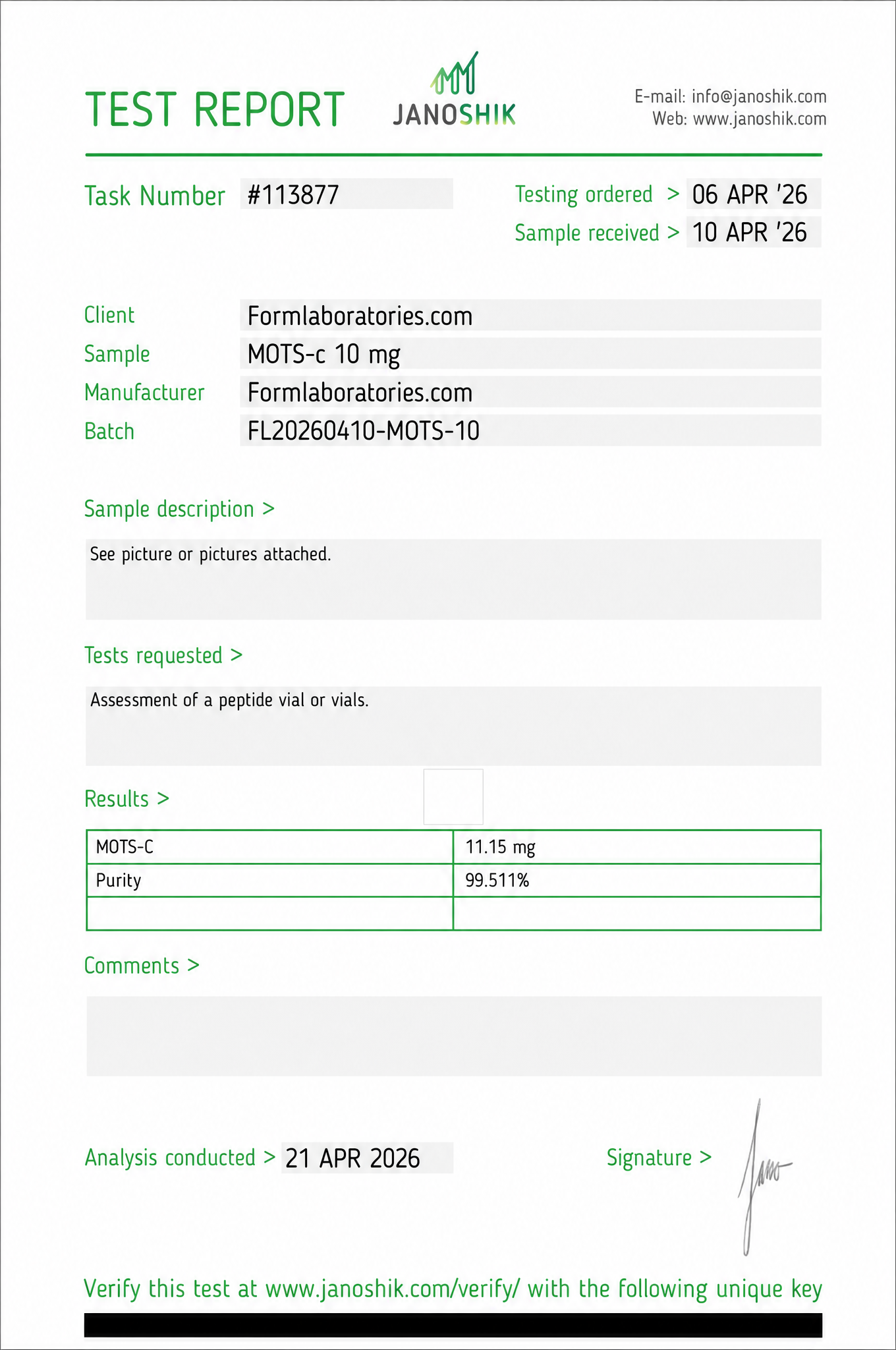
Build your stack
Study alongside other catalogue references.
These products are shown as catalogue pairings only. Add any line to the same cart for order review.
Triple-receptor research peptide
Retatrutide
$149 AUD
Researchers can study this catalogue reference alongside MOTS-C in the same order record.
No-DAC and GHS-R1a research set
CJC-1295 (No DAC) & Ipamorelin
$80 AUD
Researchers can study this catalogue reference alongside MOTS-C in the same order record.
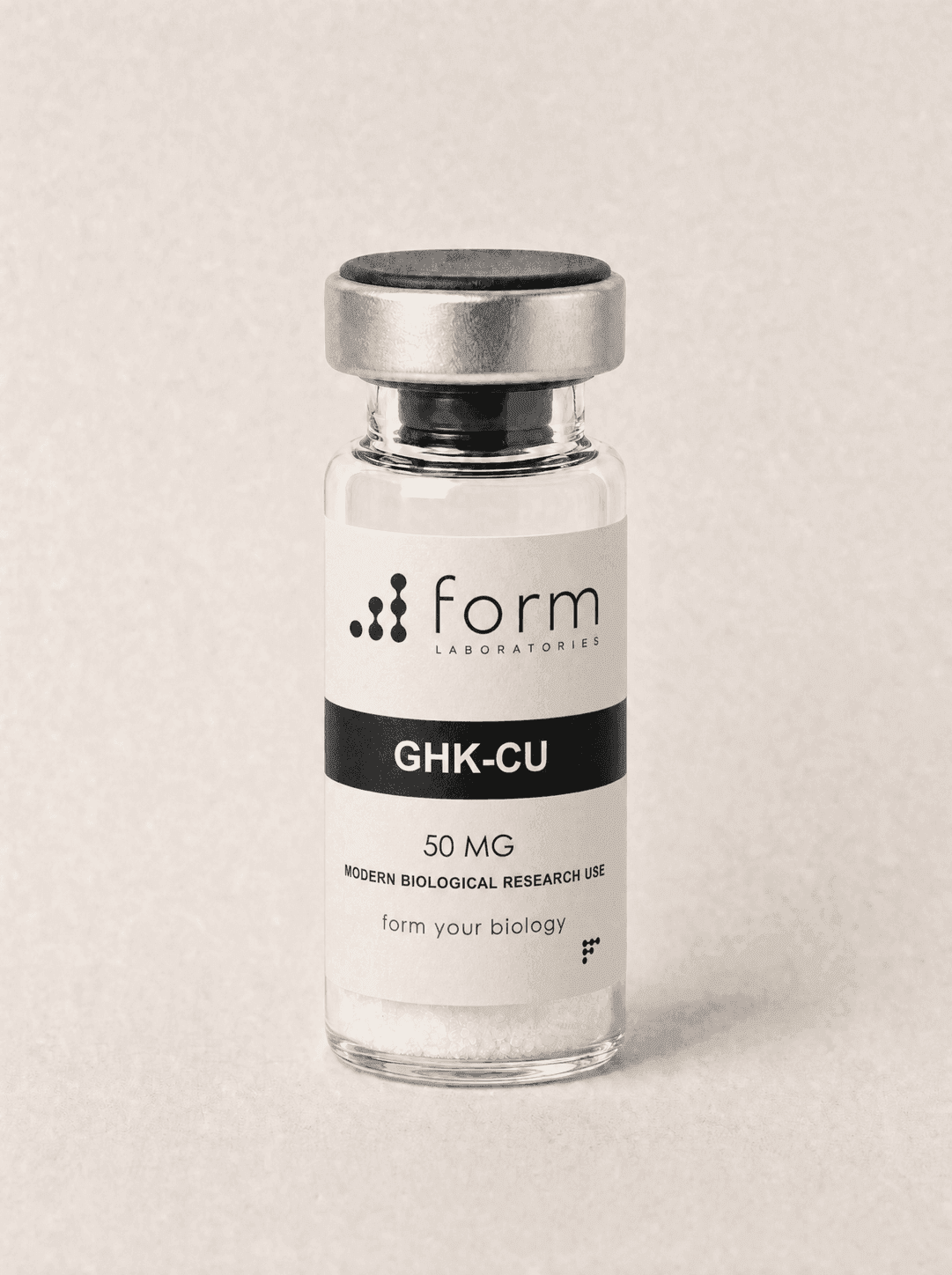
Naturally occurring copper peptide
GHK-Cu
$79 AUD
Researchers can study this catalogue reference alongside MOTS-C in the same order record.
FAQ
Questions, answered plainly.
MOTS-C is supplied as laboratory research material only. It is 21+ only, not for human consumption, and not for veterinary use.
The product page lists the lot, appearance, and storage notes for MOTS-C, and shows the lab report on file where there is one. Those reports are heavy-metals screens: they do not measure purity and do not confirm identity.
Follow the label and matching COA paperwork. This page repeats 2-8 C storage guidance and light-protection notes before checkout.
MOTS-C is a 16-amino-acid mitochondrial-derived peptide encoded by a short open reading frame inside the mitochondrial 12S rRNA / MT-RNR1 region. First described in 2015, it is studied in cell and animal research for mitochondrial biology and the AMPK energy-sensing pathway. The spec sheet lists the sequence MRWQEMGYIFYPRKLR with formula C101H152N28O22S2 and a molecular weight of 2174.6 g/mol. Form Labs supplies it freeze-dried as reference material for laboratory research only.
MOTS-C stands for Mitochondrial ORF of the 12S rRNA type-c, where ORF means open reading frame. The name reflects that its gene sits inside the mitochondrial 12S rRNA region rather than in the cell nucleus, which is what makes it a mitochondrial-derived peptide. That gene context appears on the spec sheet alongside the sequence and molecular weight. It is identity information, not a use direction.
The current batch is lot MOT-2506, supplied as a 10 mg freeze-dried vial. The spec sheet describes a freeze-dried appearance, and storage follows the label. The lab report on file for MOTS-C is a Janoshik peptide vial assessment, which measures the peptide content of the vial at 11.15 mg. It prints no purity percentage. These are batch and handling details, not preparation or use instructions.
MOTS-C is a mitochondrial-derived peptide, meaning a small peptide encoded within mitochondrial DNA rather than the cell's nuclear DNA. MOTS-C is one of a small, relatively recently discovered family of MDPs - another well-known example is humanin - and they are an active area of mitochondrial and metabolic research.
MOTS-C is studied for its role in mitochondrial biology, cellular responses to metabolic stress, and the AMPK energy pathway, with related work in metabolism, exercise and aging. Almost all of this is cell-culture and rodent research, first reported by Lee and colleagues in 2015. These are research topics, not effects of this product.
MOTS-C is not an approved medicine or therapeutic anywhere, and it has not been evaluated by the TGA or any regulator for human use. Form Labs supplies it strictly as reference material for laboratory research.
MOTS-C is supplied in Australia as a research material for laboratory (in-vitro) use only - not for human or animal consumption. Form Labs sells it to buyers aged 21+ for research purposes; it is not a medicine, supplement or food.
MOTS-C is most associated in the research literature with AMPK (AMP-activated protein kinase), a central cellular energy-sensing pathway, and with how cells handle glucose under metabolic stress. Lee and colleagues first described this in cell and mouse studies in 2015, linking MOTS-C to the folate/one-carbon pathway. It is study context, not a product effect.
MOTS-C is ordered by adding the size and quantity you want to your cart and checking out. Instead of paying by card, an emailed invoice arrives with our bank details - pay by bank transfer, quoting the reference. Once the payment clears we pack and send the order, and tracking is emailed. MOTS-C ships from Perth via Australia Post or CouriersPlease in plain packaging, and on arrival the freeze-dried vial should be stored at 2-8 C.
Form your biology
MOTS-C, with the batch details visible.
Every MOTS-C order ships from Perth in plain packaging once payment clears, with its batch number and matching lab report saved to your account.
Added to cart