
Compound hub · Retatrutide
What is replacing tirzepatide? Weight-loss medicines in Phase 3 in 2026
These trial records do not show a replacement for tirzepatide. Phase 3 is a late stage of tests in people. Examples include retatrutide, CagriSema, survodutide and VK2735. ClinicalTrials.gov records and maker statements were checked 17 October 2026. They cover obesity or type 2 diabetes research. The targets and study questions differ. They do not show that one medicine replaces another.
Form Labs materials are research reference materials, not the approved medicines; no Form Labs product is approved for human or veterinary use.
01Replacement questionContents
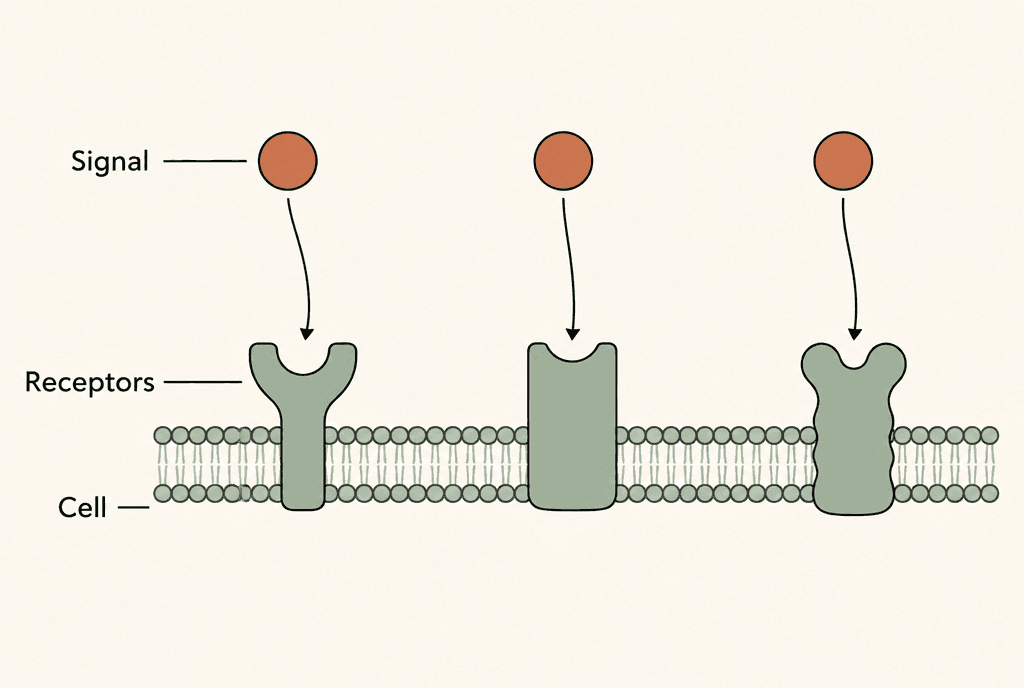
Hunger can fade before you have cleared your plate. Your gut and pancreas send chemical messages as food arrives. Proteins called receptors receive those messages at the cell. New medicine names often mean new ways to study those messages. The retatrutide hub follows one branch of that research.
A headline about the next medicine can sound like the next model of a phone. Bodies are less tidy. A new target brings a new question for a trial to test. This guide from Form Laboratories follows selected public records. A research timetable is not advice about changing treatment.
Key facts
| Record check | 17 October 2026 |
|---|---|
| Scope | Selected Phase 3 programmes in obesity or type 2 diabetes |
| Registry | ClinicalTrials.gov; individual study identifiers below |
| Retatrutide programme | TRIUMPH; TRANSCEND-T2D (Lilly pipeline, checked 17 October 2026) |
| Table order | By name; no ranking of outcomes |
Is retatrutide replacing tirzepatide?
No. Research does not show that retatrutide replaces tirzepatide. TRIUMPH-5 compares them directly in adults with obesity. ClinicalTrials.gov lists this study as NCT06662383. Its status is Phase 3 and active, not recruiting, checked 17 October 2026. This means the study is still running, but new people cannot join. It does not mean medical care has changed. A direct test can answer a set question about one group. Any reported difference needs a closer look. Unwanted effects, missing data and who took part all matter. A trial name alone cannot settle a treatment choice.
Start with the compound already being discussed. What is tirzepatide? explains the trial record behind that name. Comparing two medicines and replacing one with another are separate questions.
Which hormone receptors are these compounds designed to target?
These compounds target different sets of receptors. Receptors are proteins that receive chemical messages called hormones. GLP-1 stands for glucagon-like peptide-1. This gut hormone plays a part in blood sugar and hunger signals. GIP stands for glucose-dependent insulinotropic polypeptide. This gut hormone plays a part in insulin release. Insulin is a hormone that controls blood sugar. Glucagon tells the liver to release stored sugar. Amylin is a hormone released with insulin after food. Retatrutide acts at GLP-1, GIP and glucagon receptors. Jastreboff and colleagues describe this in the New England Journal of Medicine in 2023. A target map shows how a compound is meant to work. It cannot predict the full result in people.
CagriSema combines two compounds. Cagrilintide activates amylin receptors, while semaglutide activates GLP-1 receptors. Survodutide targets GLP-1 and glucagon receptors. VK2735 targets GLP-1 and GIP receptors. Maker statements dated 7 June 2026 give the targets for CagriSema and survodutide. The VK2735 maker statement is dated 29 July 2026. Counting targets cannot tell you a compound's value in medical care.
Which obesity and diabetes medicines have Phase 3 programmes in 2026?
Retatrutide, CagriSema, survodutide and VK2735 have Phase 3 studies. The records were checked 17 October 2026. The table lists each name, its targets and a study record. ClinicalTrials.gov records show whether a study is still running or has ended. Retatrutide's TRANSCEND-T2D-1 diabetes trial, NCT06354660, is completed. TRIUMPH-5 is still active at this check. One research programme can have both kinds of study. These examples cover obesity or type 2 diabetes. They do not list every medicine being studied. The same compound may have other studies that ask quite different questions.
CagriSema's maker statement of 7 June 2026 names two programmes. REDEFINE looks at weight management. REIMAGINE looks at type 2 diabetes. The VK2735 statement of 29 July 2026 names VANQUISH-1 and VANQUISH-2. Both programme descriptions were checked 17 October 2026.
Survodutide's SYNCHRONIZE-START record was first posted on 2 October 2026. The separate diabetes study NCT07754461 had an update posted on 14 October 2026. Both are Phase 3 records on ClinicalTrials.gov, checked 17 October 2026. These are dates for the records. They do not predict when results will arrive.
Does Phase 3 mean a medicine is ready to replace an existing treatment?
No. Phase 3 names a stage of tests in people. It does not give permission to replace a treatment. The trial record has separate fields for phase, recruitment and results. Recruitment means signing up people for a study. Not yet recruiting means this has not started. Active, not recruiting means a study runs on but is closed to new people. Completed means it has ended. That label alone does not tell you what the study found. These ClinicalTrials.gov entries show the differences, checked 17 October 2026. A maker's summary needs its own date and source too. A reported result is separate from a decision by health authorities.
How long has retatrutide been studied? explains the timeline. Always read a result with the programme's name beside it. One study's findings cannot stand in for all studies of that compound.
Can trial headlines show which new medicine works better?
No. Headlines alone cannot show which medicine works better in all settings. Studies need to ask the same question to be compared. They need a suitable group to compare results against. They also need a clear account of unwanted effects. Jastreboff and colleagues reported a retatrutide trial in 2023. It compared retatrutide with a placebo, which has no active compound. That paper does not compare retatrutide directly with tirzepatide. Who took part and how long they were tracked matter. So does the way missing results are handled. Placing numbers from separate studies side by side does not remove these differences. It cannot show which medicine ranks highest in all settings.
Names can be confusing too. This guide to compound and medicine names explains the difference. It also separates the questions their trials ask.
Evidence limits
What can this Phase 3 list not show?
This list does not show a replacement for tirzepatide. It cannot choose your treatment or predict a future approval date. It shows selected records, checked 17 October 2026. Receptor targets show what researchers plan to test. Trial results show what happened within a study. Neither alone settles long-term safety or health outcomes for every group. Studies that measure heart attacks ask a different question from those that measure weight. The table shows which studies are underway and their status. It cannot predict where a compound will reach the market or when.
A separate page asks What is the status of the retatrutide TRIUMPH-OUTCOMES trial?. Check that record on its own terms. Research material is not an approved medicine or a substitute for prescribed treatment. It is not for human or animal use.
Comparison
Selected Phase 3 studies cover obesity or type 2 diabetes, checked 17 October 2026. Targets come from the cited paper and maker statements. Each status is for the named ClinicalTrials.gov study. It does not cover every study in that programme. The table does not compare health outcomes.
| Compound | Receptor targets | Programme and registry example | Record status and check date |
|---|---|---|---|
| CagriSema (cagrilintide + semaglutide) | Amylin + GLP-1; maker statement, 7 June 2026 | REDEFINE / REIMAGINE; REDEFINE 3 cardiovascular outcomes study, NCT05669755 | Phase 3; active, not recruiting; ClinicalTrials.gov, checked 17 October 2026 |
| Retatrutide | GLP-1 + GIP + glucagon; Jastreboff et al., 2023 | TRIUMPH / TRANSCEND-T2D; TRIUMPH-5 obesity comparison, NCT06662383; Lilly trial page | Phase 3; active, not recruiting; ClinicalTrials.gov, checked 17 October 2026 |
| Survodutide | GLP-1 + glucagon; maker statement, 7 June 2026 | SYNCHRONIZE-START obesity study, NCT07855900; separate type 2 diabetes study, NCT07754461 | Both Phase 3; START not yet recruiting; diabetes study recruiting; ClinicalTrials.gov, checked 17 October 2026 |
| VK2735 | GLP-1 + GIP; maker statement, 29 July 2026 | VANQUISH; VANQUISH-1 obesity study, NCT07104500 | Phase 3; active, not recruiting; ClinicalTrials.gov, checked 17 October 2026 |
FAQ
What is the next medicine after tirzepatide?
These records do not show a single next step. ClinicalTrials.gov entries were checked 17 October 2026. They show separate Phase 3 programmes for retatrutide, CagriSema, survodutide and VK2735. A stage of research does not set the order of treatments.
Are all the compounds in this list GLP-1 medicines?
All these examples act at GLP-1 receptors. Their other targets differ. CagriSema includes a part that acts at amylin receptors. Retatrutide also targets GIP and glucagon. The cited maker statements and the Jastreboff paper describe how they work. The number of targets does not rank these compounds.
Does completed mean a trial has published results?
No. Completed is a label for a study's status. A journal paper, results posted in a trial record and an announcement are separate events. Each needs its own source. The status label alone does not tell you the findings.
Is this a list of every Phase 3 weight-loss medicine?
No. The table selects programmes that relate to this retatrutide guide. It gives their source records, checked 17 October 2026. This page does not cover other compounds or further studies.
More in this hub
- Retatrutide vs Mounjaro vs Ozempic: what's the difference?
- What is the difference between GLP-1 and GLP-3?
- Is retatrutide available in the USA? What the public record says
- How much does retatrutide cost? Is there an approved price?
- What does retatrutide do in the body? The three receptors in the papers
- How are people getting retatrutide? Trials, approval and research supply
- Who should not take retatrutide? What the trial exclusion lists say
- What makes a peptide company reputable? How to check a supplier's testing
- Retatrutide and type 2 diabetes: what the trials measured
- How long has retatrutide been studied?
- Retatrutide pharmacokinetics: what is the half-life?
- Retatrutide Phase 2 trial: what did the paper find?
- What is the molecular formula of retatrutide?
- NCT05882045: what is the TRIUMPH-3 retatrutide trial?
- NCT05929066: what is the TRIUMPH-1 retatrutide trial?
- Where does tirzepatide come from? Lilly's LY3298176
- SURPASS and SURMOUNT: what the tirzepatide trials measured
- Retatrutide in Australia: is it legal, approved or available yet?
- Retatrutide study findings: what do the clinical trials show?
- Retatrutide side effects: what trials and regulators have recorded
Citations
1 sourcesJastreboff AM, Kaplan LM, Frías JP, et al. New England Journal of Medicine. 2023;389:514–526. Triple-Hormone-Receptor Agonist Retatrutide for Obesity — A Phase 2 Trial.
doi:10.1056/NEJMoa2301972
Form Laboratories supplies research-use-only reference material. This article is an educational summary of published third-party literature. It is not medical advice, not a use instruction, and research material is not for human or animal use.